Agroforestry in Tuscany within AGROMIX, Italy
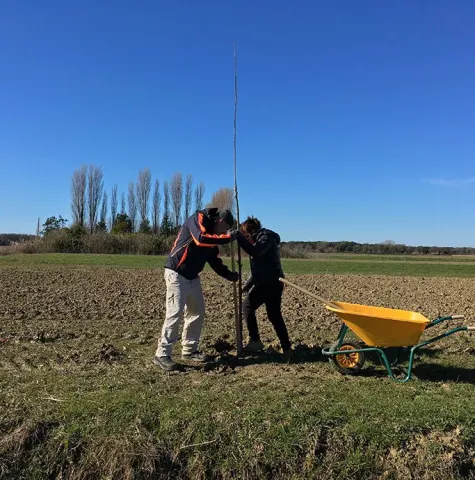
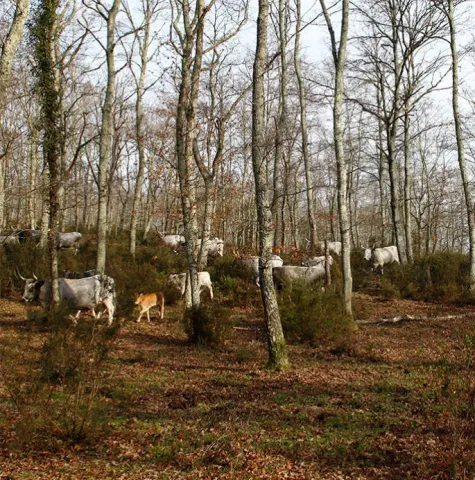
Agroforestry in Tuscany links farm practice and research to build climate resilience. Two complementary trial sites show how trees, crops and livestock are combined under AGROMIX and the regional GO NEWTON network. At Tenuta di Paganico (Grosseto), a silvopastoral system uses tree shade to buffer Mediterranean heat. Monitoring tracks animal behaviour, heat load, performance and hair cortisol. Results show clear summer benefits: cattle in shaded paddocks maintain average daily gain and lower heat stress, while in spring differences fade when thermal stress is low. At Arnino (CiRAA, Pisa), silvoarable alley cropping tests tree rows within rotations to improve soil fertility, biodiversity and carbon. Measurements cover yields, soils, weeds, microclimate and plant water status, building a long-term evidence base.
Design choices focus on tree density, windbreaks and machinery access, with practical challenges such as wildlife pressure and tree protection. Funding combines H2020 AGROMIX and the Tuscan rural programme; governance relies on a living-lab approach with farmers, universities and regional partners. Outreach includes demos and an Agroforestry School. Expected hydrological co-benefits are higher infiltration and soil moisture retention, supporting drought adaptation. The case shows that shade delivers fast welfare gains in hot summers, while soil and carbon benefits require time, making agroforestry a robust path for Mediterranean farms.
Overview
Enhance soil fertility and carbon sequestration
Improve microclimate, biodiversity and overall farm resilience
| Authority type | Authority name | Authority role | Comments | Authority responsibility |
|---|---|---|---|---|
| Research institute / University | University of Pisa – CiRAA | Monitoring | research, coordination | Responsible |
| Research institute / University | Scuola Superiore Sant’Anna | Monitoring | — | Supporting |
| Research institute / University | CREA – Council for Agricultural Research | Monitoring | — | Supporting |
| Other | ANCI Toscana | Other | networking and dissemination | Supporting |
| Farmers | Cooperativa Il Rinnovamento | Implementation | on-farm demos | — |
Site Information
Design and Implementation
Tree shade and diversified structure to buffer heat and drought
Alley-cropping to integrate trees with crops and livestock
Living-lab approach linking researchers and farmers
Coastal plain winds and wildlife pressure at
Arnino require adapted layouts and protection
Operational constraints include machinery access in alleys and grazing management around trees
Financing
Policy and Governance
Test agroforestry for soil fertility, carbon and biodiversity benefits
Soil and water stress in dry summers
Need for diversified, resilient farm systems
| Wider plan type | Wider plan focus | Name |
|---|---|---|
| — | Agriculture | AGROMIX project |
| Regional | Agriculture | GO NEWTON regional network |
| Activity stage | Activity type |
|---|---|
| Implementation phase | Workshops, open days, guided visits and a regional Agroforestry School under GO NEWTON |
Impacts and Monitoring
Monitoring System
Maintenance
Impact Assessment Methodology
On-farm trials with seasonal measurements Combination of quantitative indicators and qualitative farm feedback
Socio-economic Impacts
Seasonal stability of average daily gain during hot periods
Summer animal welfare improved in shaded silvopastoral paddocks
Biophysical impacts: Hydrology
Lessons Learned
Benefits are context-dependent in mild seasons
Operational details matter: layout, tree density, windbreaks and access for livestock and machinery
Farmer–researcher co-design accelerates adoption
| Driver type | Driver role | Comments |
|---|---|---|
| Balancing different objectives | Main driver | Heat stress risks and the search for resilient systems |
| Success factor type | Success factor role | Comments |
|---|---|---|
| Attitude of relevant stakeholders | Main factor | Large estate and university farm enabling robust trials |
| Communication activities | Main factor | Regional school, demos and certification pilots building capacity and legitimacy |