
Restoration of Wetlands in the Western Lowland Area of the Dümmer Lake, Germany

Résumé

Summary

This project combined several natural water retention measures: restoration of meadows and pastures, reduced tillage, reduced stocking density, and wetland restoration . Located in north-west Germany (Weser basin, DE4000), it was funded under the LIFE Program and aligned with the WFD, Habitats, and Birds Directives. Since 2017, over 30 ha of wetlands have been restored, and a reed polder (>80 ha) is being developed to reduce phosphorus loads. Additional river restoration measures have been implemented in the Hunte and Elze catchments. The project involved a wide range of stakeholders, including conservation bodies, water managers, farmers, and local NGOs. It successfully increased meadow bird populations and fostered constructive stakeholder cooperation. Recent efforts also include fish removal and a shift from technical to nature-based solutions, with key goals targeted for 2027.

Photo gallery
Vue d'ensemble
Year of issue
2023
Project
NWRM
Implementation status
Completed
Contact
Tamer Fawzy / BEF DE
Location of the project
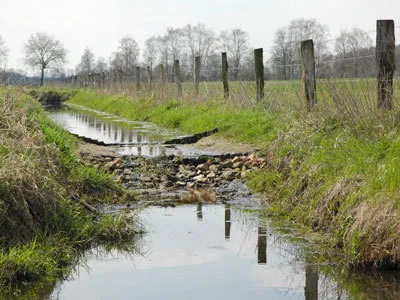
The Dümmer lowland in the northwest German plain consists of extensive marshes and wet grassland that are flooded in winter.
Country
Germany
NUTS2 Code
Hannover
Sponge measures implemented in the case study
Minimum tillage
Reduced stocking density
Wetland restoration and management
Meadows and pastures
Involved partners
Authority typeAuthority nameAuthority roleCommentsAuthority responsibility
Regional / sub-national water authorityLower Saxony Water Management, Coastal Defense and Nature Conservation Agency (NLWKN)ImplementationLocal state authority for nature conservation / bird conservancyResponsible
Regional / sub-national water authorityLower Saxony Ministry of EnvironmentOtherCoordination, ManagementResponsible
Site Information
Climate Zone
Cool temperate moist
Temperature (°C)
9.00 °C
Slope range
nearly level (0-1%)
Water quality status
Although it can be assumed that the measure had reduced nutrients in the groundwater of the area, no quantitative assessments were carried out prior to the implementation.
Design and Implementation
Project area
2500
Project area specifications
Usability, integrative planning, acceptability
Area subject to Land use change or Management/Practice change (ha)
2500.00 ha
Factor constraints
The wetlands of the Dümmer lowland area are of international significance for nature conservation. The diverse natural and nearnatural habitats hold a large number of bird species (reed, wading, water and meadow birds), which breed, rest or winter here.
Various developments have greatly endangered these bird's paradise in the past. The diking of the Dümmer lake in 1953 has led to the drainage of the wetlands and the intensification of agricultural activity.
Together with the cutting of peat in the adjacent bogs, this has caused the water to be heavily polluted with nutrients.
Favourable preconditions
Before the project, over 2000 ha were already acquired for the Bird Sanctuary of Lake Dümmer. A well established, institutionalized Round Table served as a communication platform between Nature Conservationists and Farmers, so that acceptance was guaranteed throughout the process.
Financing
Total cost
3100000.00 €
Costs investment
2000000.00 €
Costs investment information
land acquisition
Costs land acquisition
2000000.00
Costs land acquisition unit
€ (total value)
Costs operation maintenance
1100000.00 €
Costs operational
800000.00 €
Costs operational information
Supporting dams and removal of drainages
Costs maintenance
300000.00 €
Financing authorities
Authority nameType of fundingFinancing share
European UnionEU-funds: LIFE+100 %
Compensations
Non
Policy and Governance
Policy description
Wide, open grasslands and meadow birds are a part of the historic cultural landscape of meadows and pastures in Northern Germany. Intensified agriculture in Lower Saxony, as well as in many other places, puts a threat on this landscape and local meadow bird populations. The draining of meadows, early mowing, and densification of the ground through heavy machinery render these areas practically unlivable for meadow birds. Meadow birds breed and raise their chicks on the ground in grassland areas. After hatching, the chicks need about four weeks before they are able to fly. Until then, they collect insects and worms from the vegetation and the ground under attendance of their parents. When they reach maturity, meadow birds use their long beaks to pick for food in the wet soil. Suitable habitats for meadow birds have decreased strongly in size, and the grassland remaining today, does not provide ideal conditions. Consequently, the number of meadow birds declined sharply in recent decades.
Policy targets
Improved Biodiversity
Target remarks
Regulation of hydrological cycle and water flow
Habitat restoration
Policy pressure
DirectiveRelevant pressure
WFD identified pressureNutrient pollution
Floods Directive identified pressureProtected Areas
Floods Directive identified pressureLandscape
Part of a wider plan
Oui
Wider plan
Wider plan focusName
Environment & BiodiversityNatura 2000
Public consultation
Non
Has contractual arrangements
Oui
Impacts and Monitoring

Monitoring System

Monitoring requirements
Regularly (weekly to monthly)
Monitoring parameters
Biodiversity/ meadow bird breeding success

Maintenance

Maintenance requirements
After the project could be finished, management of the rewetting areas will continuously be guaranteed by the nature conservation base Dümmer.

Impact Assessment Methodology

Performance impact assessment method
Catchment outlet
Performance impact estimation information
meadow bird breeding success monitoring
Cost assessment method
There were no methods used to assess costs and the cost-effectiveness of the measure. The benefit was measured by monitoring the breeding success of meadow birds, though.

Socio-economic Impacts

Benefits and co-benefits
Two nature trails were created along the western bank of the lake, which tie up to the few years old nature trail "Dümmer” in Ochsenmoor. The special natural features of the Dümmer lowlands are displayed to cyclists and hikers.
While the short trail around Olgahafen was specially designed for hikers, the trail stations along the further course of the bank are mainly set up for cyclists. Four of these stations have an interactive design.
The youth- and holiday center of Vechta district is situated next to the start of the nature trails. About 10,000 people, mainly pupils with their school classes, visit this center every year. Especially for this clientele as well as for other interested visitors the "nature trail quiz rally” was developed.
Furthermore the restoration of the habitat led to increased tourist numbers.
Ancillary benefits
Biomass production, tourism, recreation, Water security

Biophysical impacts: Hydrology

Information on retained water
N.A.
Information on increased water storage
N.A.
Information on runoff reduction
N.A.

Biophysical impacts: Biodiversity

Improved biodiversity
Oui
Information on improved biodiversity
improvements of the meadow bird communities

Biophysical impacts: Water & Soil Quality

Water quality overall improvements
N/A info
Soil quality overall improvements
N/A info

Biophysical impacts: Others

Ecosystem impact climate regulation
No specific impact
Lessons Learned
Key lessons
Lessons learned in this project reach from practical and technical experience to the integration of stakeholders to achieve a high acceptance and participation of local farmers.

The experience from this project also led to the initiation of the LIFE+ Project Meadow Birds, including water retention measures in 12 project areas.
Barriers
Barrier typeBarrier roleComments
Expected maintenance needsMain barrierviability of extensive grassland mainenance is low
Drivers
Driver typeDriver roleComments
Organisation committed to itMain driverBird protection / natura200 site
Success factors
Success factor typeSuccess factor roleComments
Financing possibilitiesMain factorfor land acquisition
Attitude of relevant stakeholdersSecondary factoracceptance of relevant stakeholders
Sources